
New Zealand’s new‑vehicle market posted 11,663 registrations in July, a modest rise of 0.2 percent over the same month a year earlier, according to the Motor Industry Association (MIA). While overall numbers held steady, the data reveal a growing split between passenger and commercial vehicle demand.
Passenger registrations surge as utes tumble
Registrations for passenger vehicles—encompassing cars and SUVs—climbed 14.7 percent to 8,736 units. By contrast, light commercial vehicle registrations fell 28.2 percent to 2,518 units, and heavy commercial registrations dropped 20.9 percent to 409 units.
Year‑to‑date, 83,020 new vehicles have been registered, up 7,947 units (10.6 percent) from July 2025. Almost all of that growth stems from the passenger segment, which is now 15.1 percent ahead with 60,101 units.
Aimee Wiley, chief executive of the MIA, said the July result “reflects a resilient market, but with increasingly divergent performance across vehicle segments.” She added that strong passenger registrations “offset a significant decline in commercial vehicle registrations during the month.”
Related: Maserati revives manual V6 and V8 engines for petrol fans
Electrified models gain ground
Electrified powertrains accounted for 29.8 percent of all new‑vehicle registrations in July, up from 11.8 percent a year earlier. When hybrids are included, electrified vehicles represented 56.6 percent of the total market.
Battery‑electric vehicle (BEV) registrations hit 1,995 units, or 17.1 percent of the market, up from 634 a year ago. Plug‑in hybrids (PHEVs) rose to 1,479 units, a 12.7 percent share, while conventional internal‑combustion models fell to 5,058 units, trimming their market share to 43.4 percent.
In the passenger segment, BEVs made up 22.3 percent of registrations and PHEVs added 14.4 percent, for a combined 36.7 percent. Year‑to‑date, the two technologies accounted for 28.5 percent of new passenger registrations, more than double the 12.8 percent recorded over the same period last year.
Wiley noted that the rise reflects “broader model choice, more competitive pricing and continued customer focus on operating costs,” with electrified options now covering a wider range of transport needs.
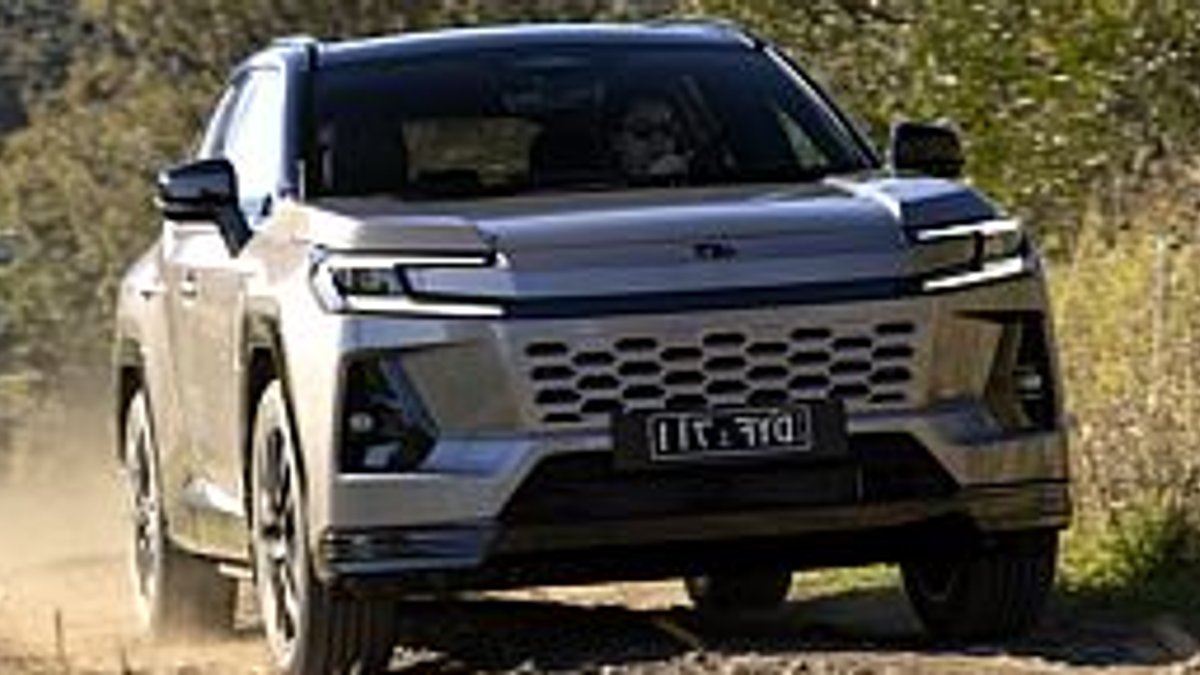
Toyota led the market with 2,527 registrations, a 22 percent share. Ford followed with 1,038 units (nine percent) and BYD rose to third place with 829 registrations (seven percent). The Toyota RAV4 topped the light‑passenger charts, registering 699 units, of which 515 were plug‑in hybrids.
Related: How to Build a Complete Auto News Strategy
The RAV4’s plug‑in hybrid variant captured 40.9 percent of all PHEV passenger registrations in July, far outpacing the GWM Haval H6 (105 units) and BYD Sealion 6 (94 units). The Tesla Model Y placed second among passenger models with 403 registrations.
July’s tally marks the strongest July result since 2021 in MIA records dating back to 1975. Yet the association warns that broader improvements in household spending and business investment will be needed to lift demand across more vehicle categories.
The shift toward passenger vehicles and electrified models likely means everyday drivers will see more choices at dealerships, while small business owners may face tighter options for utility vehicles. For many, the growing emphasis on fuel efficiency and lower operating costs could translate into tangible savings, but the reduced availability of utes might push some commercial users toward larger, more expensive models.
Looking ahead, the MIA cites a gradually improving economic outlook, with lower fuel‑cost pressures and more moderate interest‑rate forecasts expected to enhance affordability. However, it cautions that geopolitical instability, raised freight costs and lingering business‑confidence pressures remain risks for an industry dependent on global manufacturing and supply chains.


