
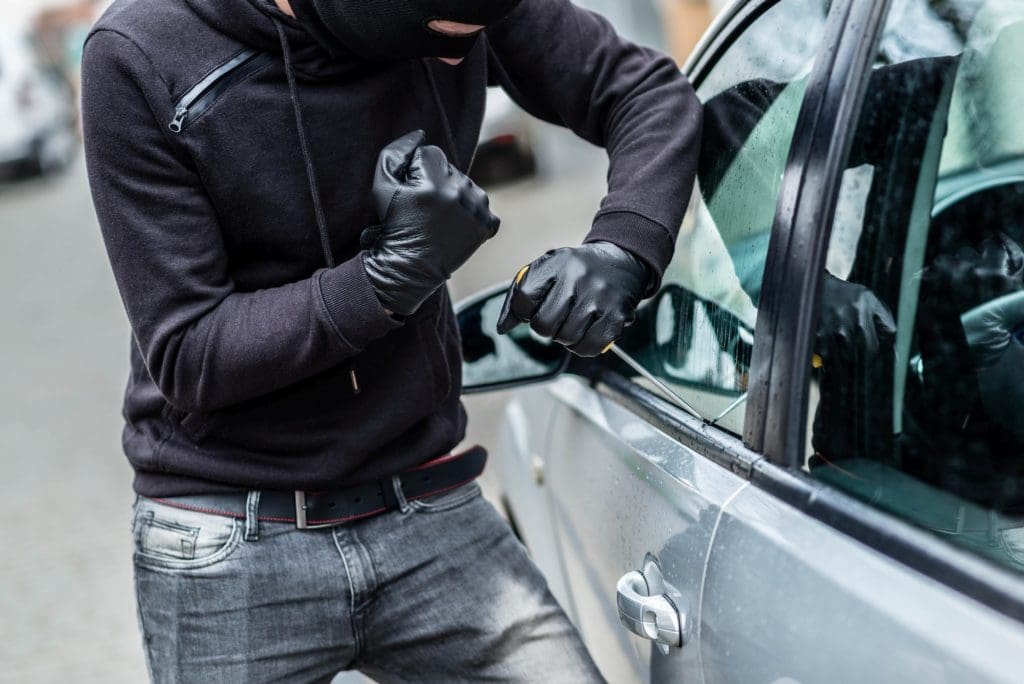
Protect Your Car from Theft – Car theft remains a significant concern for vehicle owners across the globe, with statistics often highlighting an upward trend in certain regions. The thought of walking out to an empty driveway or parking spot is a nightmare for any driver, leading to immense stress, financial loss, and logistical challenges. Fortunately, there are proactive steps you can take to significantly bolster your vehicle’s defenses. This comprehensive guide will equip you with the knowledge and strategies on how to protect your car from theft, offering a multi-layered approach to enhance its security.
Understanding the methods to Protect Your Car from Theft, is the first step in prevention. From joyriders to organized crime syndicates, thieves are constantly adapting their techniques, making it crucial for owners to stay informed and vigilant. Implementing a combination of common-sense practices and modern security technologies can deter potential criminals and keep Protect your car from theft.
Key Takeaways
- Layered Security Approach: Combine basic habits with physical and technological deterrents for maximum protection.
- Don’t Underestimate Basics: Always lock doors, close windows, and park in well-lit areas, even for short stops.
- Invest in Visible Deterrents: Steering wheel locks and car alarms can make your vehicle a less attractive target.
- Leverage Modern Technology: GPS trackers and advanced immobilizers provide crucial recovery potential and theft prevention.
The First Line of Defense: Simple Habits and Environmental Awareness
Often, the most effective measures against car theft are the simplest ones. Many vehicle thefts occur due to owner oversight or a lack of basic precautions. Adopting a mindful approach to your vehicle’s security can significantly reduce its vulnerability, and Protect Your Car from Theft.
According to actionlockdoc.com, Always make sure your car is locked, even if you’re just stepping away for a moment. This includes all doors and the trunk. Ensure all windows are completely rolled up. An open window or unlocked door is an open invitation for a thief. Remove your keys from the ignition and take them with you. Never leave a spare key hidden inside or outside the vehicle, as thieves often know common hiding spots.
Consider where you park. Well-lit, high-traffic areas are generally safer than secluded, dark spots. If possible, park in a garage or a secure parking facility. When parking on the street, turn your wheels towards the curb or use the emergency brake, making it harder for a thief to tow your vehicle. Avoid leaving valuables visible inside your car. A laptop bag, smartphone, or even loose change can act as a magnet for opportunistic thieves. Stow items in the trunk or take them with you.
Enhancing Physical Security to protect your car from theft
Beyond basic habits, a range of physical anti-theft devices can provide an additional layer of protection, acting as strong visual deterrents and making a thief’s job much harder. These devices are often highly visible, signaling to potential criminals that your vehicle is not an easy target.
One of the most recognizable deterrents is the steering wheel lock. Devices like “The Club” physically secure the steering wheel, preventing it from being turned. While not foolproof against determined thieves, the time and effort required to remove it can be enough to make them move on to an easier target. Similarly, pedal locks can secure the brake or clutch pedal, rendering the vehicle immobile.
Another effective physical measure is a kill switch. This hidden switch, installed by a professional, interrupts a crucial electrical circuit (like the fuel pump or ignition system), preventing the car from starting even if a thief manages to bypass other security systems. These are particularly effective because their location is unknown to the thief. Investing in high-quality wheel locks (lug nuts) can also prevent wheel and tire theft, a common occurrence in some areas.
Leveraging Technology: Modern Solutions for Car Theft Protection
In the fight against car theft, and Protect Your Car from Theft technology has become an invaluable ally, offering both deterrents and recovery tools. Modern vehicle security systems go far beyond traditional car alarms, providing sophisticated ways to protect your asset.
A comprehensive car alarm system is a fundamental component of modern vehicle security. Look for systems that include motion sensors, glass-break sensors, and hood/trunk sensors, not just door sensors. Advanced alarms can also feature two-way communication, alerting your pager or smartphone if the alarm is triggered. Some even come with remote immobilizers that can shut down the engine from a distance.
Perhaps one of the most powerful technological deterrents is a GPS tracking device. If your car is stolen, a hidden GPS tracker can provide real-time location data, significantly increasing the chances of recovery by law enforcement. Many modern vehicles come with integrated telematics systems (e.g., OnStar, Hyundai Blue Link) that offer similar tracking capabilities, along with remote locking/unlocking and emergency assistance.
Vehicle immobilizers are standard in many newer cars. These electronic security devices prevent the engine from starting unless the correct key or transponder is present. While effective, thieves are constantly trying to find ways around them, making it crucial to combine them with other methods. Consider aftermarket immobilizers for older vehicles or as an enhancement to factory systems.
Beyond Your Vehicle: Community Vigilance and Insurance
Protect your car from theft isn’t solely about the devices you install; it also involves community awareness and practical financial safeguards. A collective effort can create a safer environment for everyone.
Participate in local neighborhood watch programs and report any suspicious activity to the police. A vigilant community can often deter criminal behavior simply by being observant. Knowing your neighbors and keeping an eye on each other’s property contributes to overall security. The National Insurance Crime Bureau (NICB) regularly publishes reports on car theft trends and prevention tips, providing valuable insights for vehicle owners.
Lastly, ensure your car insurance policy includes comprehensive coverage. While prevention is key, accidents (including theft) can still happen. Comprehensive coverage typically covers theft, vandalism, and other non-collision damages. Review your policy regularly to ensure you have adequate protection, understanding what is covered and what your deductible would be in the event of a theft. This provides a financial safety net, even if the worst happens despite your best efforts.
Conclusion
Protect your car from theft requires a multi-faceted approach, combining simple daily habits with robust physical and technological deterrents. By consistently locking your doors, parking wisely, investing in visible anti-theft devices like steering wheel locks, and leveraging modern technologies such as GPS trackers and advanced alarm systems, you significantly reduce your risk. Remember, the goal is to make your vehicle less appealing to thieves than the next one. Stay vigilant, stay informed, and give yourself the peace of mind that comes with knowing you’ve taken every possible step to safeguard your car.
Frequently Asked Questions (FAQ)
Are car alarms really effective in preventing theft?
Car alarms are effective as a deterrent, especially against opportunistic thieves, by drawing attention to the vehicle. However, determined thieves may find ways to bypass them. For maximum effectiveness, combine an alarm with other security measures like immobilizers and GPS trackers.
What is the best anti-theft device for older cars?
For older cars that lack modern built-in security, a combination of a visible steering wheel lock (like The Club), a hidden kill switch, and a robust aftermarket car alarm system with an immobilizer and GPS tracking provides excellent layered protection.
Does car insurance cover theft, and will my rates go up?
Yes, comprehensive coverage in your car insurance policy typically covers theft. While making a claim might affect your rates, the impact varies based on your insurer, driving history, and the specifics of the theft. It’s crucial to report the theft to both the police and your insurance company immediately.
How do I know if my car has an immobilizer?
Most vehicles manufactured after the mid-1990s in many regions come with a factory-installed immobilizer system. You can usually check your car’s owner’s manual or consult with your dealership. A common indicator is a small light on the dashboard (often a key or car icon) that flashes when the engine is off, indicating the immobilizer is active.


