
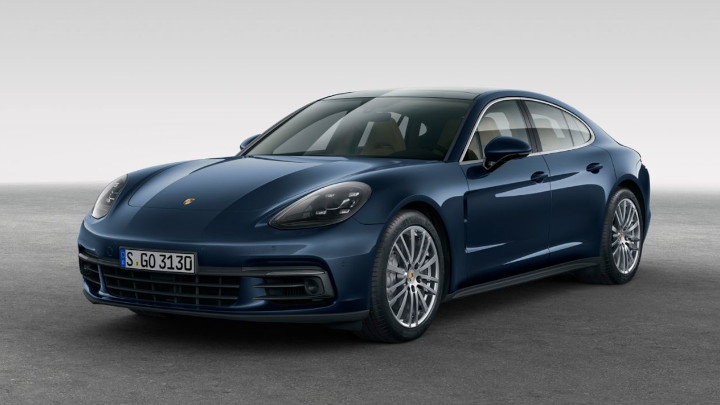
Once a dominant force on roads worldwide, particularly in Europe, diesel cars are now experiencing a steep decline in sales and public favor. For decades, they were lauded for their fuel efficiency, torque, and robust performance, making them a popular choice for long-distance drivers and those seeking lower running costs. However, a confluence of environmental concerns, stricter regulations, and the rapid rise of alternative powertrains has fundamentally altered the automotive landscape. Understanding why diesel cars are losing popularity requires a look at these interconnected factors that have reshaped consumer preferences and industry strategies.
This significant shift signals a pivotal moment for the automotive industry, as manufacturers pivot away from diesel in favor of electrification. What was once seen as a pillar of efficient motoring is now increasingly viewed with skepticism, facing an uncertain future in many key markets.
Key Takeaways
- Stricter Emissions Regulations: Governments worldwide, especially in Europe, have implemented stringent emission standards (e.g., Euro 6d, upcoming Euro 7), making it more complex and costly for manufacturers to produce compliant diesel engines.
- Environmental and Public Health Concerns: Growing awareness of NOx emissions and particulate matter from diesel engines has fueled public discontent and health worries, impacting consumer perception.
- The Rise of Electric and Hybrid Vehicles: Advancements in battery technology and increased availability of competitive electric and hybrid models offer compelling, cleaner alternatives, often supported by government incentives.
- Urban Restrictions and Policy Changes: Numerous cities have introduced Low Emission Zones (LEZs) and outright bans on older diesel vehicles, significantly reducing their utility and resale value.
Stricter Emissions Regulations and the Shadow of Dieselgate
According to distraoil.com, One of the primary drivers behind the decline in diesel car popularity is the ever-tightening grip of emissions regulations. The European Union, a historical bastion for diesel, has led the charge with standards like Euro 6, and discussions around even more stringent Euro 7 norms are ongoing. These regulations demand significantly lower emissions of nitrogen oxides (NOx) and particulate matter, forcing manufacturers to invest heavily in complex and expensive exhaust after-treatment systems, such as Selective Catalytic Reduction (SCR) with AdBlue.
Adding to this regulatory pressure was the monumental “Dieselgate” scandal, which erupted in 2015. This revelation that several major automakers had used “defeat devices” to cheat on emissions tests severely eroded public trust in diesel technology and the industry as a whole. The scandal highlighted the environmental impact of real-world diesel emissions, far beyond laboratory conditions, cementing a negative perception that continues to linger.
The Environmental Imperative: Air Quality and Climate Change
Beyond regulatory frameworks, a heightened global awareness of environmental protection and public health has played a crucial role in consumers questioning their fuel choices. Diesel engines, particularly older models, are known contributors to local air pollution through NOx and fine particulate matter. These pollutants are linked to respiratory diseases, heart conditions, and other health issues, especially in urban areas.
Public health campaigns and scientific studies have brought these concerns to the forefront, influencing policy decisions and consumer sentiment. While modern diesel engines are significantly cleaner than their predecessors, the lingering reputation and the push towards zero-emission transport solutions have made it difficult for diesel to shake off its “dirty” image. The broader climate change agenda, prioritizing the reduction of all fossil fuel combustion, further accelerates this trend.
The Ascent of Electric Vehicles and Hybrid Alternatives
Perhaps the most significant competitive pressure on diesel cars comes from the rapid advancement and adoption of electric vehicles (EVs) and hybrid cars. As battery technology improves, range anxiety diminishes, and charging infrastructure expands, EVs are becoming increasingly viable and attractive for a wider segment of the population. Governments globally are offering substantial incentives for EV purchases, from tax breaks to direct subsidies, making them financially competitive.
Hybrid vehicles, combining a conventional internal combustion engine with an electric motor, offer a stepping stone for many drivers. They provide better fuel economy and lower emissions than pure petrol or diesel cars, without the need for extensive charging infrastructure. The diverse range of electric and hybrid models available today, from compact city cars to large SUVs, caters to almost every segment, presenting a compelling and often cleaner alternative to diesel.
Changing Consumer Preferences and Urban Access Restrictions
Consumer preferences are undeniably shifting away from diesel. Once valued for their efficiency and power, these benefits are now often outweighed by environmental concerns and the practical implications of ownership in an evolving regulatory landscape. Many car buyers are actively seeking future-proof vehicles that are less likely to be impacted by upcoming restrictions.
A major practical hurdle for diesel cars owners is the proliferation of Low Emission Zones (LEZs) and Ultra Low Emission Zones (ULEZs) in major cities across Europe, including London, Paris, Berlin, and Madrid. These zones impose daily charges or outright bans on older, more polluting diesel vehicles to improve urban air quality. For many, a car that cannot freely access urban centers loses a significant part of its utility, directly impacting resale values and making diesel a less desirable long-term investment.
Conclusion
The decline in diesel car popularity is not a sudden phenomenon but the culmination of several powerful trends: stringent emissions regulations, heightened environmental awareness, the indelible mark of the “Dieselgate” scandal, and the irresistible rise of electric and hybrid alternatives. What was once an efficient workhorse is now increasingly seen as a technology of the past, at least in the passenger car segment.
While diesel engines may retain a niche in heavy-duty commercial transport or specific long-haul applications where electrification is still nascent, their future in the mainstream passenger car market looks increasingly limited. The automotive industry is clearly moving towards a cleaner, electrified future, and diesel cars, for all their past virtues, are rapidly being left behind.
Frequently Asked Questions (FAQ)
Are diesel cars banned in any cities?
Yes, several major cities, particularly in Europe, have implemented or are planning to implement restrictions on diesel vehicles. Cities like London (with its ULEZ), Paris, Madrid, and Berlin have introduced Low Emission Zones that charge or ban older, more polluting diesel cars from entering central areas. Some cities are even planning outright bans on new diesel car sales in the coming years.
Are modern diesel cars still bad for the environment?
Modern diesel cars (Euro 6d and later) are significantly cleaner than older models, thanks to advanced exhaust after-treatment systems that reduce NOx emissions and particulate matter. However, they still produce tailpipe emissions and are fossil fuel-powered, contributing to climate change. While they meet strict regulatory standards, the trend is towards zero-emission alternatives like electric vehicles for the cleanest mobility.
What are the main alternatives to diesel cars?
The primary alternatives to diesel cars are petrol cars (which have also become more fuel-efficient), hybrid electric vehicles (HEVs), plug-in hybrid electric vehicles (PHEVs), and battery electric vehicles (BEVs). Each offers different benefits in terms of fuel economy, emissions, and driving range, with BEVs offering completely zero tailpipe emissions.
Will diesel cars completely disappear?
While the market for new diesel passenger cars is shrinking rapidly and may eventually disappear in many regions, diesel engines are likely to retain a presence in specific sectors for some time. This includes heavy-duty vehicles, commercial trucks, buses, and certain off-road or industrial applications where the torque and energy density of diesel fuel are still highly valued and electrification solutions are not yet fully mature or cost-effective.


