
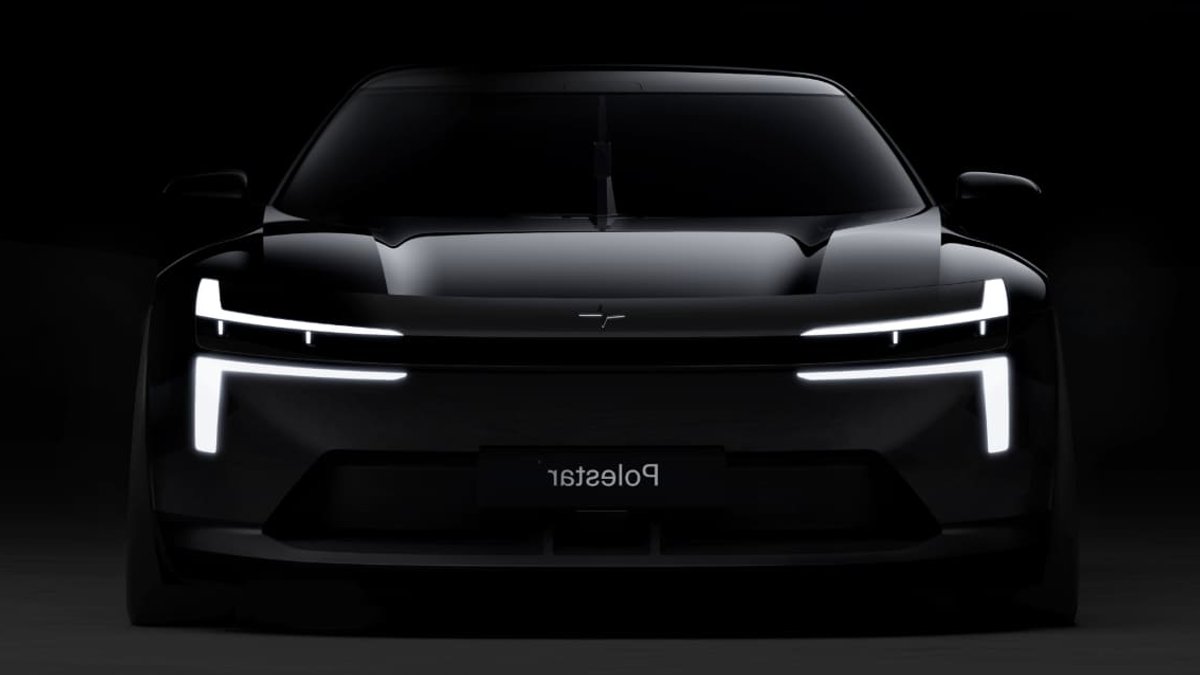
Polestar is set to unveil its Formula 2030 concept, offering a glimpse into the brand’s future design direction ahead of the launch of its Polestar 2 saloon replacement and the new Polestar 7 entry-level SUV.
The concept retains the brand’s signature ‘Thor’s hammer’ daytime running lights, a distinctive feature of Polestar’s design language. However, these lights on the Formula 2030 appear wider and slimmer than on previous models.
The Polestar 2 replacement is expected to adopt more practical proportions, similar to those of the BMW i3, Tesla Model 3, and Mercedes-Benz C-Class electric vehicles. The Polestar 7 SUV will follow this new design approach, with a size comparable to the Mercedes GLB and BMW iX1.
Since its launch in 2018, Polestar has focused on appealing design, distinguishing itself from other electric vehicle manufacturers. This unique aesthetic has gained recognition, with many able to identify Polestar vehicles on the road.
While Polestar has advanced in design and brand recognition, it still faces profitability challenges. The Polestar 5, priced at nearly £100,000, serves as a flagship model rather than a high-volume seller. The Polestar 4 has done good work in terms of volumes, in spite of its flaws, and the company has worked on efficiencies to reduce its losses by 43% in the first half of 2026.
The new Polestar 2 and Polestar 7 are key to the brand’s transition from reducing losses to generating profits.
Philipp Römers, Head of Design at Polestar, highlighted the importance of evolving the brand’s design language while preserving its core identity. He stated, “Polestar’s design and brand is already so strong, it was obvious we needed a bold evolution not revolution of what came before”.
According to Römers, the Formula 2030 concept “‘Formula 2030 delivers this, showcasing our future while respecting brand-defining elements like the familiar Dual Blade headlights ensuring it remains recognisably a Polestar with a strong, characterful identity.”


