
Mazda has long resisted automotive trends, holding firm to its principles while competitors adopted electrification and turbocharged engines. Now, with tightening emissions regulations and rising competition from Chinese brands in Europe, the company faces a challenge: how to update its lineup without losing what makes it unique. Mazda’s strategy, according to its leadership, is to evolve on its own terms.
The automaker’s persistence has been a defining trait. While other manufacturers adopted turbocharging for performance, Mazda avoided it—until recently. Its 2020 launch of the CX-60 diesel SUV featured a naturally aspirated 3.3-liter straight-six, a standout in an industry dominated by forced induction. Even now, Mazda shows no urgency to fully electrify. In the U.S., where battery electric vehicles make up less than 1% of sales, internal combustion engines remain essential. “Combustion remains globally significant,” said Moritz Oswald, Mazda’s product planning manager. “We won’t phase it out abruptly.”
Hybrids, not EVs, lead Mazda’s emissions battle
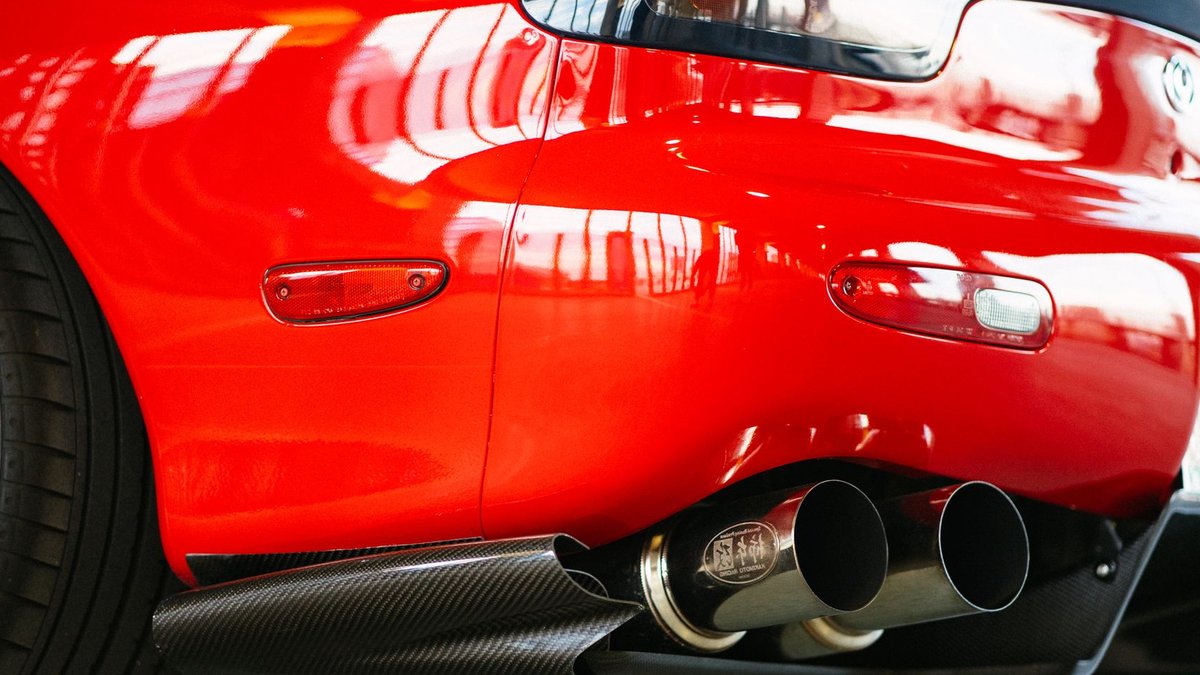
Instead, Mazda is focusing on hybrids—not as a transitional technology, but to prolong the life of its combustion engines. The upcoming Euro 7 emissions standards, effective in 2025, will demand sharp reductions in pollutants. To comply, Mazda plans plug-in hybrids for the CX-5 and CX-60, along with a hybridized version of its rotary engine, which the company has kept alive despite skepticism. “We’re testing hybrid systems to ease the rotary’s return,” Oswald noted, signaling a rare shift toward practicality.
The automaker’s resistance extends to the industry’s push for software-defined vehicles (SDVs). While competitors like Volkswagen and Stellantis fill interiors with touchscreens and over-the-air updates, Mazda has maintained its button-heavy, minimalist design, a choice that once set it apart but now risks falling behind. Changes are coming, however. The CX-6e and CX-5 now feature digital interfaces, though Oswald acknowledged the transition is costly. “We must stay competitive, but balancing investment in SDVs with our focus on materials and driving feel is difficult,” he said. “Resources are stretched thin across chips, materials, and other areas.”
MX-5 stays iconic, even as SUVs dominate
The balance between tradition and progress is evident in Mazda’s lineup. The MX-5, the brand’s legendary roadster, remains central, though its future is unclear. Oswald confirmed the next generation won’t arrive before 2028, following the launches of the CX-6e and refinements to the CX-5. “The MX-5 is part of our identity,” he stated. “We’ll preserve its essence, whether through an updated version or a new concept.”
Bahram Partaw, Mazda’s lead designer, reinforced this commitment, describing the MX-5 as both a serious and playful vehicle. “It’s not just a toy; it’s expertly engineered yet fun to drive,” he said. The brand’s refusal to abandon smaller, well-designed cars like the Mazda3 highlights its defiance of the SUV-dominated market. “We won’t limit ourselves to large-platform vehicles,” Partaw emphasized. “That’s not our approach.”
Mazda’s development efforts now include a hybrid version of the six-cylinder diesel engine powering its flagship SUV. This system pairs the existing engine with an electric motor capable of short electric-only drives, preserving the diesel’s torque while meeting emissions targets. A second hybrid project targets the compact crossover, combining a smaller gasoline engine with electric assist to boost power and reduce emissions, ensuring compliance with European standards.
Rotary engines get electric help to survive
Additionally, Mazda is exploring hybrid applications for its rotary engine. By integrating electric assistance, the company aims to refine power delivery and meet regulations while keeping the engine’s signature high-revving character. These initiatives reflect Mazda’s “multi-solution” approach, tailoring technology to each model’s market needs and extending the life of its combustion lineup while gradually introducing electrified components.
The shift toward software-defined vehicles has required Mazda to invest in digital infrastructure, including processors and connectivity modules. Executives admit these costs compete with traditional spending on interior materials and road manners, creating budget challenges. They emphasize that new models must deliver strong returns to avoid damaging the brand’s reputation, leading to cautious adoption of advanced features over drastic redesigns.
Despite the push for digital interfaces, Mazda remains dedicated to a tactile driving experience. New vehicles will blend physical controls with touchscreens, ensuring drivers who value direct feedback are not lost. Looking ahead, Mazda plans a global C-segment model to replace its current compact offering, though the timeline extends beyond the immediate cycle. The company guarantees this vehicle will uphold its focus on driver engagement and refined design.


