
Owning a car is a significant investment, and like any valuable asset, it requires diligent care to protect its value, ensure safety, and optimize performance. Far too many drivers neglect the simple, yet crucial, steps that can prevent costly repairs down the line and extend their vehicle’s lifespan considerably. Learning how to maintain your car like a pro isn’t just for mechanics; it’s about adopting a proactive mindset that empowers you to keep your vehicle running smoothly for years to come.
This article delves into the core aspects of professional-level Maintain Your Car, providing practical advice that any car owner can implement. From understanding your car’s vital fluids to recognizing the signs of wear and tear, we’ll equip you with the knowledge to approach vehicle upkeep with confidence, ensuring a reliable and enjoyable driving experience.
Key Takeaways
- Regular Fluid Checks are Paramount: Monitoring and changing engine oil, coolant, brake fluid, and other vital liquids is the foundation of vehicle health.
- Tire Care Enhances Safety and Efficiency: Proper tire pressure, regular rotations, and timely replacements are crucial for grip, fuel economy, and brake performance.
- Proactive Inspections Prevent Major Issues: Routinely checking brakes, belts, hoses, and lights can help catch minor problems before they escalate into expensive failures.
- Understand Your Warning Lights: Don’t ignore dashboard indicators; they are your car’s way of communicating potential issues that require immediate attention.
Understanding Your Car’s Core Systems: The Basics of Pro Maintenance
To truly maintain your car like a pro, you need to understand the fundamental systems that keep it moving. It’s not about being a certified mechanic, but rather knowing what to look for and when to act. This proactive approach can save you countless hours and dollars in preventable repairs.
Fluid Checks and Changes: The Lifeblood of Your Vehicle
Just as blood flows through your body, various fluids circulate through your car, enabling its complex operations. Regularly checking and changing these fluids is perhaps the single most important aspect of car maintenance.
- Engine Oil: The most crucial fluid. It lubricates moving parts, reduces friction, and dissipates heat. Check your oil level monthly and change it according to your owner’s manual – typically every 5,000 to 7,500 miles for conventional oil, or 7,500 to 10,000+ for synthetic.
- Coolant/Antifreeze: Prevents your engine from overheating and protects against freezing. Check its level when the engine is cold and top up with the correct type of coolant if needed. Flush and replace every 30,000 to 50,000 miles.
- Brake Fluid: Essential for your braking system. Low or contaminated fluid can severely compromise stopping power. Check levels regularly and have it flushed every two to three years by a professional.
- Transmission Fluid: Lubricates the transmission’s moving parts. Automatic transmission fluid (ATF) checks vary; some cars have sealed units. Consult your manual. Manual transmissions also require regular fluid changes.
- Power Steering Fluid: Ensures smooth steering. Check its reservoir and top up if low. A professional can advise on flush intervals.
Tire Care: Grip, Safety, and Efficiency
Your tires are the only point of contact between your car and the road, making their condition critical for safety, handling, and fuel efficiency. Neglecting them is a common oversight even for seemingly seasoned drivers.
- Tire Pressure: Check pressure monthly using a reliable gauge, ideally when tires are cold. Incorrect pressure leads to uneven wear, poor handling, and increased fuel consumption. Find the recommended pressure on a sticker inside your driver’s door jamb.
- Tire Rotation: Rotate your tires every 5,000 to 7,500 miles. This helps ensure even wear across all four tires, extending their lifespan and maintaining balanced handling.
- Tread Depth: Use a penny to check tread depth. If Lincoln’s head is fully visible, your tires are worn and need replacement. Insufficient tread dramatically reduces grip, especially in wet conditions.
Under the Hood: Engine Health and Performance
The engine is the heart of your vehicle, and keeping it healthy is fundamental to maintaining your car like a pro. Regular checks of key components under the hood can prevent breakdowns and costly repairs.
Battery Health and Electrical Systems
Your car’s battery powers everything from the ignition to the infotainment system. A dead battery is a common and frustrating issue that can often be avoided with simple checks.
- Terminal Cleanliness: Inspect battery terminals for corrosion (a white or blue powdery substance). Clean them with a wire brush and a baking soda-water solution.
- Battery Age: Car batteries typically last 3-5 years. If yours is approaching this age, consider having it tested, especially before winter.
- Cable Integrity: Ensure battery cables are securely attached and free from fraying or damage.
Belts, Hoses, and Filters: Preventative Replacements
These seemingly small components play vital roles in your engine’s operation. Ignoring them can lead to overheating, loss of power, or complete engine failure.
- Belts: The serpentine belt drives accessories like the alternator, power steering pump, and A/C compressor. Inspect it for cracks, fraying, or glazing. The timing belt (if your car has one) is crucial for engine synchronization and usually has a specific replacement interval (e.g., 60,000-100,000 miles) – do not neglect this.
- Hoses: Radiator hoses, heater hoses, and other coolant lines can become brittle or soft over time. Squeeze them when the engine is cold; they should feel firm. Look for cracks, bulges, or leaks.
- Filters:
- Air Filter: A dirty engine air filter restricts airflow, reducing performance and fuel efficiency. Check and replace it annually or every 15,000-30,000 miles.
- Cabin Air Filter: Improves air quality inside your car. Replace it annually or every 15,000 miles.
- Fuel Filter: Prevents contaminants from reaching your engine. Replacement intervals vary widely; consult your manual.
Brakes and Suspension: Ensuring Your Safety and Ride Comfort
Beyond engine performance, the ability to stop safely and enjoy a smooth ride are paramount. A truly professional approach to car maintenance means giving these systems the attention they deserve.
Brake System Inspection: Don’t Compromise on Safety
Your brakes are your primary safety system. Regular inspection and maintenance are non-negotiable.
- Brake Pads and Rotors: Listen for squealing or grinding noises, which indicate worn brake pads. Have a professional inspect your pads and rotors regularly (e.g., during tire rotations or oil changes) to ensure adequate thickness and smooth surface.
- Brake Fluid: As mentioned, keep brake fluid at the proper level and ensure it’s clean. Old or contaminated fluid can lead to a spongy pedal and reduced braking power.
Suspension and Steering: A Smooth, Controlled Ride
The suspension system keeps your tires on the road, absorbing bumps and maintaining stability. Steering components ensure precise control.
- Shocks and Struts: Worn shocks or struts can lead to a bouncy ride, poor handling, and increased stopping distances. Look for fluid leaks on the shock/strut bodies or excessive bouncing after hitting a bump.
- Wheel Alignment: If your car pulls to one side or your steering wheel isn’t centered, your alignment might be off. Proper alignment ensures even tire wear and precise steering. Get it checked annually or after hitting a large pothole.
Beyond the Mechanical: Interior and Exterior Care
Maintaining your car like a pro extends beyond what’s under the hood or beneath the chassis. The overall condition of your vehicle impacts its resale value and your driving experience.
Keeping It Clean: Protecting Your Investment
Regular cleaning is more than just aesthetics; it protects your car’s finish and interior components.
- Washing and Waxing: Wash your car regularly to remove dirt, grime, and corrosive elements like road salt. Apply a coat of wax every few months to protect the paint and make cleaning easier.
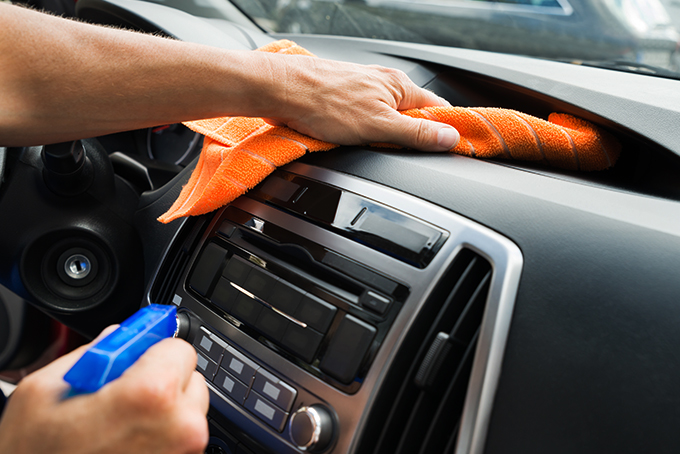
- Interior Care: Vacuum the interior, wipe down surfaces, and clean windows. This prevents buildup of dirt and grime that can damage materials over time.
Dashboard Warning Lights: Your Car’s Communication System
Your dashboard is a vital communication hub. Learning what the various warning lights mean is crucial for timely intervention.
- Check Engine Light: Can indicate a wide range of issues, from a loose gas cap to a serious engine problem. Get it diagnosed promptly.
- Oil Pressure Light: Means extremely low oil pressure. Stop driving immediately to prevent severe engine damage.
- Battery Light: Indicates an issue with the charging system, possibly the alternator or battery.
- Brake Warning Light: Can signal low brake fluid, a problem with the parking brake, or a major issue with the braking system.
Conclusion
By adopting these habits, you’ll be well on your way to understanding how to maintain your car like a pro. Consistent, proactive car maintenance isn’t just about avoiding breakdowns; it’s about ensuring your safety, maximizing fuel efficiency, extending your vehicle’s lifespan, and preserving its resale value. While some tasks require a professional mechanic, many essential checks can be performed by any dedicated car owner. Embrace these tips, and you’ll enjoy a more reliable, safer, and ultimately more rewarding driving experience for years to come.
Frequently Asked Questions (FAQ)
How often should I change my car’s engine oil?
The frequency depends on your vehicle, driving habits, and the type of oil used. Generally, conventional oil should be changed every 5,000 to 7,500 miles, while synthetic oil can last 7,500 to 10,000 miles or even more. Always refer to your car’s owner’s manual for the most accurate recommendations.
What is the most common car maintenance mistake people make?
One of the most common mistakes is neglecting fluid checks and changes, particularly engine oil. Many drivers also overlook tire pressure and rotation, which are crucial for safety and tire longevity. Ignoring dashboard warning lights is another critical error that can lead to expensive repairs.
Can I perform all car maintenance tasks myself, or do I need a professional?
Many basic maintenance tasks like checking fluid levels, tire pressure, and changing air filters can be easily done by the average car owner. However, more complex procedures such as brake system overhauls, timing belt replacements, or diagnosing engine issues typically require specialized tools and expertise, and should be handled by a certified mechanic.
Why are tire rotations important for car maintenance?
Tire rotations are important because they help ensure that all four tires wear down evenly. Front tires and rear tires wear differently due to various factors like steering and braking. Regular rotation (typically every 5,000-7,500 miles) extends the overall lifespan of your tires, maintains balanced handling, and can improve fuel efficiency.


