
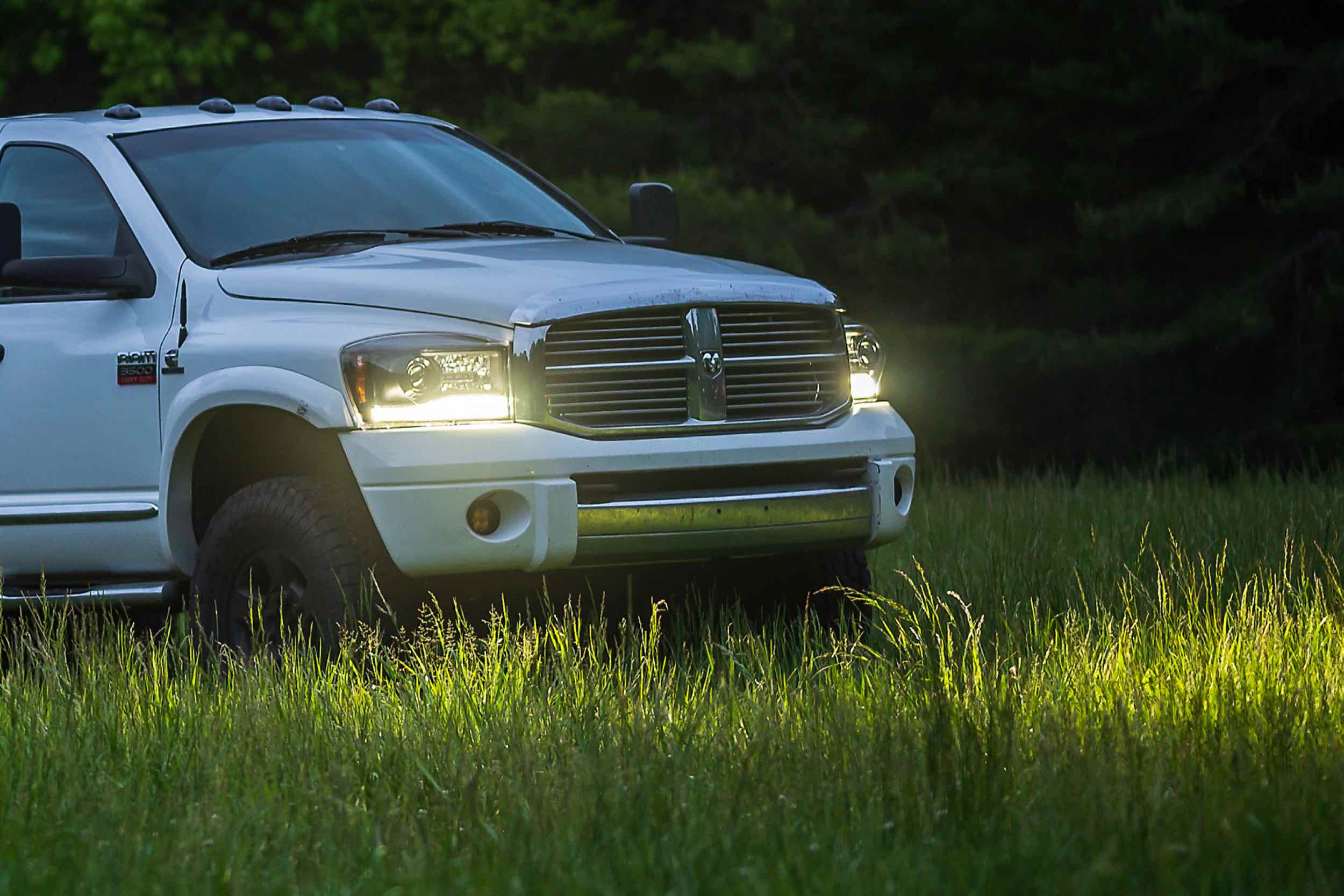
Driving safely and confidently often hinges on one crucial element: visibility. As automotive technology advances, so too do the options for enhancing your vehicle’s illumination. If you’re looking to elevate your nighttime driving experience, improve your car’s aesthetic appeal, or simply ensure better safety on the road, understanding how to upgrade your car lighting system is a fantastic place to start. This guide delves into the latest trends and practical advice for transforming your car’s headlights, fog lights, and even interior illumination.
Upgrading your car lighting system isn’t just about brighter lights; it’s about smarter, more efficient, and often more stylish illumination. From enhancing road presence to boosting driver reaction time, a well-chosen lighting upgrade can make a significant difference. Let’s explore the possibilities and help you navigate the path to a perfectly lit journey.
Key Takeaways
- Enhanced Safety: Modern lighting upgrades like LEDs and HIDs significantly improve road visibility, reducing accident risks.
- Improved Aesthetics: Beyond functionality, new lighting systems offer a sleek, modern look that can dramatically update your vehicle’s appearance.
- Energy Efficiency: LED technology consumes less power than traditional halogen bulbs, extending your car’s battery life and reducing strain on the electrical system.
- Legal Compliance is Crucial: Always research and adhere to local and national regulations regarding automotive lighting modifications to avoid fines and ensure safety.
Understanding Your Car’s Current Lighting System
Before diving into upgrades, it’s essential to know what your car currently uses. Most older vehicles come equipped with halogen bulbs. These are a tried-and-true technology, offering a warm, yellowish light that’s generally sufficient but can lack the intensity and spread of newer options. Many modern cars, however, now feature advanced lighting as standard.
Halogen bulbs work by heating a tungsten filament within a gas-filled capsule, similar to traditional household incandescent bulbs. While affordable and easy to replace, their light output and lifespan are often surpassed by more advanced alternatives. Understanding this baseline helps you appreciate the significant improvements offered by contemporary lighting technologies.
Popular Options for a Car Lighting System Upgrade
When it comes to enhancing your Car Lighting, several leading technologies dominate the market. Each offers distinct advantages in terms of brightness, color temperature, energy efficiency, and cost.
LED Headlight Conversion
Light Emitting Diodes (LEDs) have revolutionized automotive lighting. They offer incredible brightness, a crisp white light (often 5000K-6500K color temperature), and exceptional energy efficiency. LED conversion kits are popular for replacing halogen bulbs, providing an instant upgrade in visibility and a modern aesthetic. They typically last much longer than halogens, often for the entire lifespan of the vehicle. Installation can range from plug-and-play to requiring a bit more technical know-how, depending on the car model and kit.
HID (Xenon) Headlight Upgrades
High-Intensity Discharge (HID) lights, often called Xenon lights, provide a significantly brighter and whiter light than halogens, though typically with a slightly bluer hue (4300K-8000K). HIDs work by igniting Xenon gas within a bulb, producing intense light. While they offer superior light output, they require a ballast to regulate power, making installation slightly more complex than LEDs. HID systems generally have a longer warm-up time compared to LEDs but are still a popular choice for those seeking maximum brightness.
Enhancing Fog Lights and Auxiliary Lighting
Beyond headlights, upgrading your fog lights can dramatically improve visibility in adverse weather conditions like fog, rain, or snow. Many drivers opt for LED fog light bulbs, which provide a powerful, wide beam that cuts through poor visibility better than standard halogens. Additionally, consider auxiliary lighting such as LED light bars or spot lights for off-roading or specific work applications, ensuring you have ample illumination precisely where and when you need it.
The Benefits of Advanced Car Lighting
Upgrading your car lighting system is more than just a cosmetic change; it delivers tangible benefits that enhance your overall driving experience.
Boosting Driving Safety and Visibility
Perhaps the most significant advantage of an upgraded lighting system is the marked improvement in safety. Brighter, whiter light illuminates more of the road ahead, allowing you to see obstacles, pedestrians, and road hazards sooner. This increased visibility extends your reaction time, which can be critical in preventing accidents. Modern lighting also often provides a wider and more consistent light pattern, reducing blind spots and improving peripheral vision.
Aesthetic Appeal and Modernization
From a design perspective, modern LED and HID lighting systems give any vehicle a contemporary edge. The crisp, clean light and often distinct daytime running light (DRL) signatures instantly update an older car’s look or enhance the aggressive styling of a newer model. Many upgrades also include projector lenses, which not only focus light more effectively but also add a premium, sophisticated appearance to your headlight assemblies.
Energy Efficiency and Longevity
LED technology, in particular, is incredibly energy-efficient, drawing significantly less power than halogen bulbs. This reduces the strain on your vehicle’s electrical system and can even contribute to minor fuel savings over time. Furthermore, both LED and HID bulbs boast considerably longer lifespans than traditional halogens, meaning fewer bulb replacements and less maintenance hassle.
DIY vs. Professional Installation for Your Car Lighting System Upgrade
Deciding whether to tackle a lighting upgrade yourself or seek professional help depends on your skill level, the complexity of the upgrade, and your vehicle.
DIY Installation Tips
For simple plug-and-play LED bulb replacements, a confident DIY enthusiast can often handle the installation. Ensure you have the right tools, follow the kit’s instructions meticulously, and disconnect your car’s battery before starting. Pay close attention to bulb orientation and ensure all connections are secure. Always test your lights before reassembling everything. However, be aware that some vehicles may require CANBUS decoders to prevent ‘bulb out’ warnings or flickering with LED conversions.
When to Seek Professional Expertise
For more complex upgrades, such as full HID conversions with ballasts, retrofitting projector headlights, or integrating advanced adaptive lighting systems, professional installation is highly recommended. Automotive lighting specialists have the tools, expertise, and diagnostic equipment to ensure proper wiring, alignment, and functionality. They can also ensure your upgraded lights comply with local regulations, preventing potential legal issues. Improper installation can lead to flickering, premature bulb failure, or even damage to your car’s electrical system.
Conclusion
Upgrading your car lighting system is a smart investment that pays dividends in safety, style, and efficiency. Whether you opt for the brilliant clarity of LEDs, the intense power of HIDs, or enhanced auxiliary lighting, the benefits are clear. Modern lighting technology provides a safer driving experience by increasing visibility, while simultaneously giving your vehicle a modern, premium look. Remember to prioritize quality components and consider professional installation for more complex systems to ensure optimal performance and compliance with regulations. Drive confidently, knowing your path is well-lit.
Frequently Asked Questions (FAQ)
Is upgrading to LED headlights legal everywhere?
The legality of aftermarket LED headlights varies by region and specific vehicle. Some jurisdictions have strict regulations, while others are more lenient. It’s crucial to research your local and national laws regarding automotive lighting modifications, especially concerning brightness, color temperature, and beam pattern, to ensure compliance.
Will upgrading my headlights void my car’s warranty?
Modifying your car lighting system typically won’t void your entire vehicle warranty. However, if a specific problem arises directly related to the aftermarket lighting components or their installation, the manufacturer may decline to cover repairs for that particular issue under warranty. Always check your warranty terms or consult your dealership if you have concerns.
Do LED or HID lights require special maintenance?
Both LED and HID lights generally require less maintenance than traditional halogens due to their longer lifespan. LEDs are virtually maintenance-free. HID systems may eventually need ballast replacement, but bulbs themselves are very durable. Keeping your headlight lenses clean is the most common and important maintenance task for any lighting system.
Can I just replace my halogen bulbs with LED or HID bulbs directly?
While many LED conversion kits are designed for direct plug-and-play replacement of halogen bulbs, some vehicles may require additional components like CANBUS decoders or resistors to prevent error messages or flickering. HID conversions always require a ballast to regulate power, making them a slightly more involved installation than basic LED bulb swaps.


